
Short answer: What is THC and why is it important?
THC – short for delta-9 tetrahydrocannabinol – is the main psychoactive ingredient in the cannabis plant. This substance is responsible for the characteristic high that many people associate with cannabis use. Since 2017, THC has also been used medicinally in Germany, for example, to treat chronic pain or nausea and vomiting during chemotherapy. On April 1, 2024, the legal situation changed fundamentally: adults are now allowed to possess and cultivate cannabis under certain conditions. This partial legalization makes the topic more relevant than ever – and raises the fundamental question for many people: What exactly is THC?
Basics: Definition & meaning of THC
THC stands for tetrahydrocannabinol, more precisely (-)-Δ9-trans-tetrahydrocannabinol. It is a plant-derived cannabinoid—a so-called phytocannabinoid—that occurs naturally in plants of the species Cannabis sativa L. The use of cannabis-rich plants dates back several thousand years, with archaeological finds from China and India indicating a long history as both a medicinal and recreational substance.
What makes THC so special: It's one of over 100 known cannabinoids in the cannabis plant, but by far the most potent psychoactive one. When users experience a high from smoking a joint, THC is primarily responsible. The most biologically active form is the (-)-Δ9-trans-THC isomer, also known as dronabinol, which is 6 to 100 times more potent than other variants. Besides Δ9-THC, chemical relatives such as Δ8-THC and Δ10-THC also exist. Superior Blend , which, however, are of significantly less importance.
In international drug law, THC is classified as a controlled substance. This applies to the UN Narcotics Conventions as well as to the German Narcotics Act, where Δ9-THC is listed. legal classification Historically, cannabis use has been stigmatized – despite the plant's therapeutic applications.
THC vs. other cannabinoids (especially CBD)
THC is not the only active ingredient in the hemp plant – and the comparison to CBD (Cannabidiol) This is crucial for understanding. CBD is the second most intensively researched cannabinoid and has been classified as well-tolerated by the World Health Organization. The key difference: CBD is not intoxicating.
The effects could hardly be more different. THC produces the typical high with alterations in perception, mood, and coordination. CBD, on the other hand, has a more relaxing, potentially anxiety-reducing, and anti-inflammatory effect – without any intoxication. Interestingly, both substances have the same chemical formula but differ in their spatial structure. This seemingly small difference leads to completely different effects in the body.
In practice, this means that legal CBD oils and other products in the EU may only contain traces of THC – in Germany, the limit is 0.2 percent. Modern extraction methods now allow for the targeted isolation of CBD, giving consumers access to the components of the cannabis plant without being exposed to psychoactive effects.
Occurrence: Where is THC found in the plant?
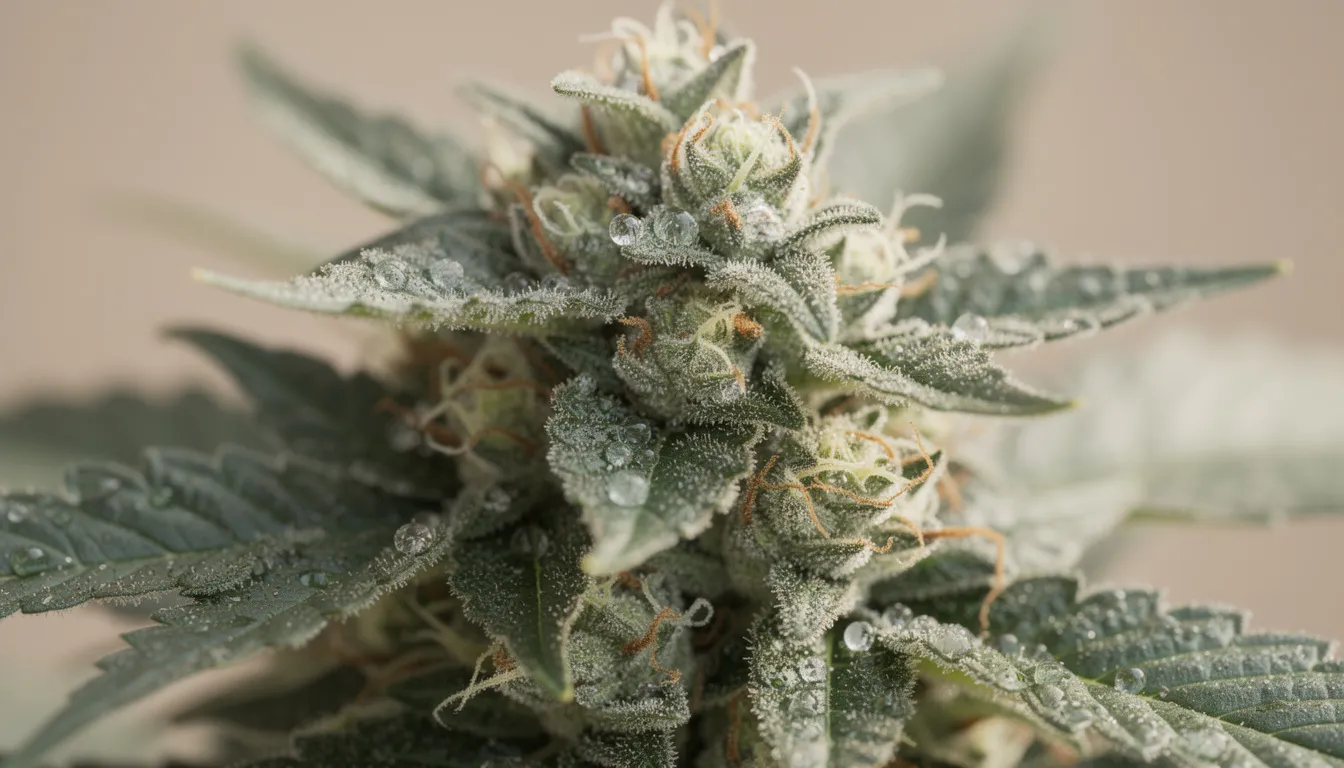
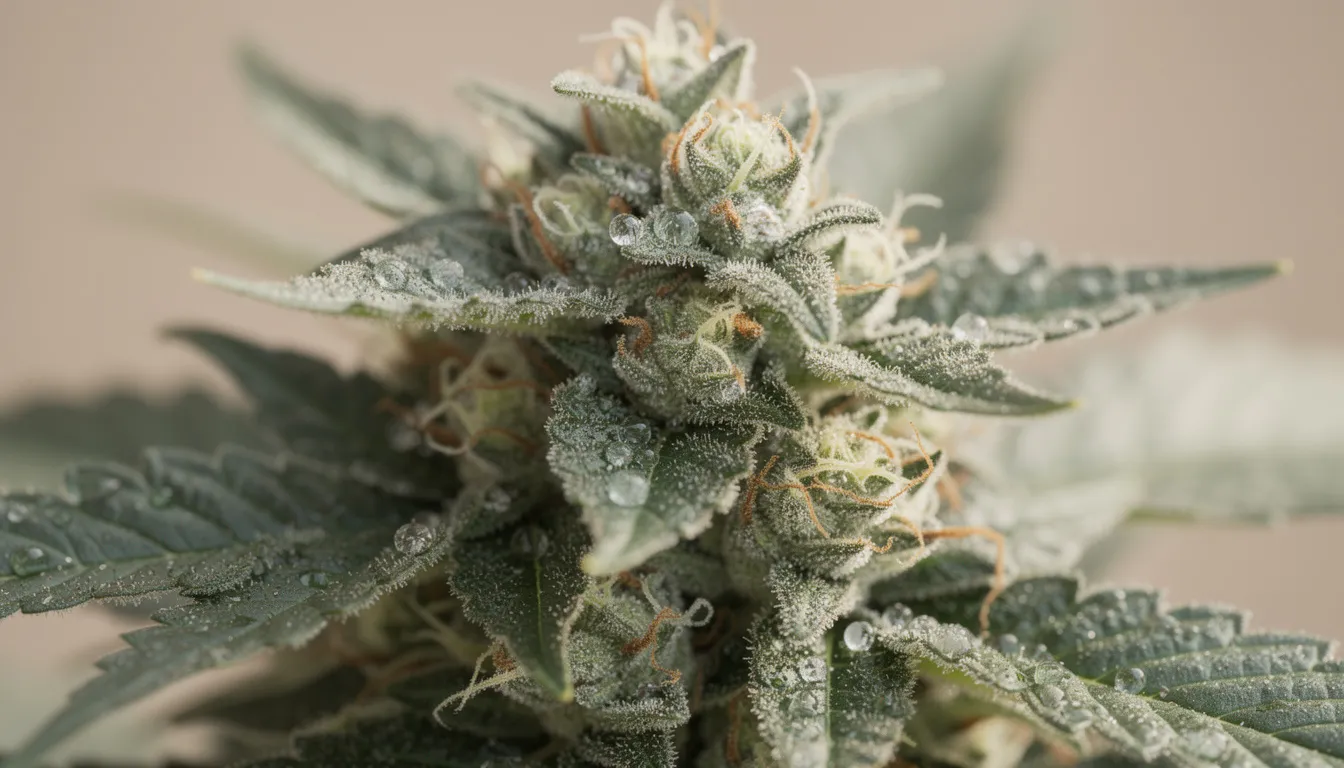
THC is by no means evenly distributed throughout the plant. The highest concentrations are found in the unfertilized female flowers – commonly known as marijuana or sinsemilla – as well as in the concentrated resin, which is sold as hashish. In these parts of the plant, the THC content typically ranges between 6 and 20 percent, and in particularly potent modern strains, it can reach up to 25 to 30 percent.
Other parts of the plant contain significantly less of the active ingredient. Leaves, stems, and roots contain less than one percent. THC . Hemp seeds naturally contain no THC, but trace amounts can be present due to contamination during harvesting. Classic industrial hemp varieties, such as those grown for textiles or food, remain below the legal limit of 0.2 to 0.3 percent THC.
A concrete example: Pharmacy flowers in Germany, dispensed on the basis of a cannabis prescription, often have a percentage between 1 and 22 percent. THC – depending on the variety and area of application.
It's important to understand that in the fresh, untreated plant, THC exists predominantly as THC acid (THCA). This precursor is not psychoactive. Only through heat – i.e., when smoking, vaporizing, or baking – is THCA converted into the actually active THC.
How is THC produced and what are its effects in the body?
In the cannabis plant, everything begins with two precursor molecules: geranyl pyrophosphate and olivetolic acid. Through enzymatic processes, cannabigerolic acid is initially produced, which is then converted to tetrahydrocannabinolic acid (THCA). This acidic form must be converted into active THC through decarboxylation – the removal of a carboxyl group.
This process takes place at temperatures around 100 to 150 degrees Celsius. When smoking a joint, heating in a vaporizer, or baking edibles, THCA is converted to THC. Therefore, consuming raw cannabis leaves does not produce a high – the activation by heat is absent.
THC exerts its effects in the body because it is structurally very similar to the body's own neurotransmitter, anandamide. The body immediately recognizes the external THC and allows it to bind to the cannabinoid receptors of the endocannabinoid system. This endogenous system regulates numerous important functions: pain perception, mood, appetite, sleep, and memory.
You can think of it like a key and lock principle: THC fits into the same receptors as the body's own endocannabinoids and thus influences normal brain communication.
Mechanism of action and why THC gets you "high"
THC binds primarily to CB1 receptors, which are concentrated in the brain and central nervous system, as well as to CB2 receptors on certain immune cells. Binding to CB1 receptors triggers a cascade of biochemical reactions: it inhibits adenylyl cyclase, reduces intracellular cAMP, activates G proteins, and affects calcium and potassium channels.
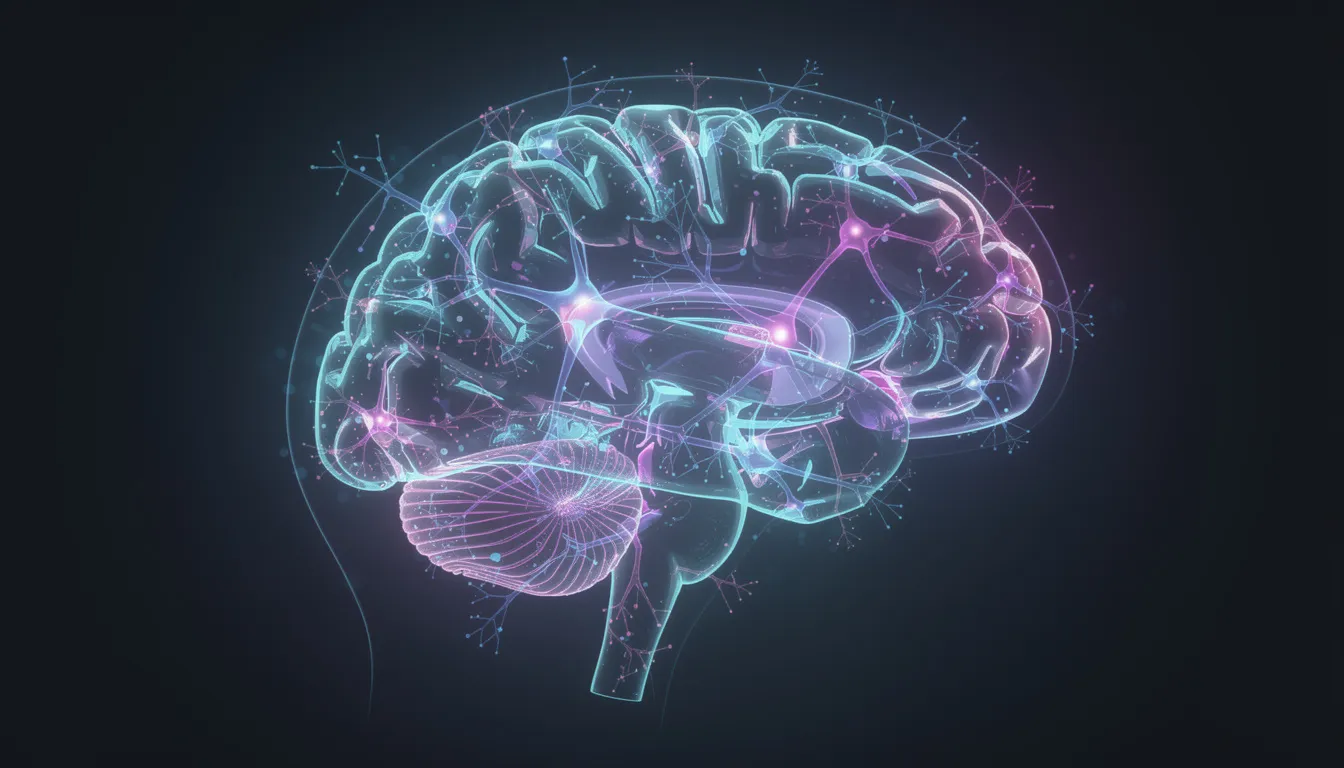
These mechanisms influence the release of various neurotransmitters, especially dopamine. The result: euphoria, relaxation, and altered sensory perception – the characteristic high. If you're looking for a legal cannabis alternative If you're looking for something, 10-OH-HHC is a good option. Certain brain regions are particularly affected: the hippocampus (responsible for memory), the cerebellum (coordination), and the prefrontal cortex (planning and judgment). Therefore, thinking and reaction time change under the influence of THC.
Typical acute effects include altered time perception, increased appetite (the famous munchies), and heightened perception of music and colors. However, unpleasant reactions can also occur—ranging from anxiety to paranoia. The intensity depends heavily on several factors: the dosage, the method of consumption, the THC content of the product, individual experience, and personal sensitivity.
THC metabolism, half-life and detectability
After ingestion, Δ9-THC is first metabolized in the liver to 11-hydroxy-THC – a metabolite that is itself still psychoactive and is responsible for the often more intense effect when consuming edibles. Subsequently, it is further converted to THC-COOH, which no longer has a psychoactive effect but serves as a detection marker in drug tests.
A special characteristic of THC and its breakdown products is that they are highly fat-soluble and are stored in the body's fatty tissue. From there, they are slowly released back into the bloodstream – one reason why THC remains detectable for significantly longer with regular consumption.
The detectability varies considerably depending on consumption patterns:
|
Detection medium |
Occasional consumption |
Regular consumption |
|---|---|---|
|
blood serum |
Up to approximately 24 hours |
Several days to weeks |
|
Urine (THC-COOH) |
A few days |
Several weeks to months |
|
saliva |
12-24 hours |
Up to 72 hours |
Since June 2024, a new limit of 3.5 ng/ml of THC in blood serum has been in effect in Germany for fitness to drive. This value replaces the previous, extremely low limit of 1 ng/ml and is more closely aligned with actual impairment – similar to the 0.5 per mille blood alcohol limit.
Consumption methods and typical effects of THC
THC can be ingested in various ways, with the onset and duration of effects varying considerably depending on the method of consumption.
Inhalation (smoking and vaping)
When smoking joints, bongs, or pipes, as well as when vaporizing with a vaporizer, THC enters the bloodstream directly via the lungs. The effects begin within a few minutes, reaching their peak after about 15 to 30 minutes. The total duration of effects is usually 2 to 4 hours.
Oral intake (edibles and oils)
With foods like cookies, brownies, or gummy bears, as well as capsules and oils, the onset of effects is significantly delayed – between 30 and 120 minutes. In contrast, the effects of THC last longer, often 4 to 8 hours or more. Herein lies a common mistake: consumers don't wait long enough and take more when the expected effect fails to materialize. The delayed, but then intense, effect is underestimated, which can lead to unpleasant experiences.
A calculation example for orientation: A joint with 0.3 grams of flower at 15 percent THC theoretically contains around 45 mg of THC – although a significant portion is lost during smoking and not absorbed by the body.
For medical THC preparations such as dronabinol solutions, capsules or the oral spray nabiximols (Sativex), the dosage is standardized and the application takes place under medical supervision.
Acute effects of THC – desired and undesired effects
The effects of cannabis include both desired and undesired effects, which vary in intensity from person to person.
Frequently desired effects:
-
Relaxation and stress reduction
-
Euphoria and elevated mood
-
Enhanced enjoyment of music and sensory impressions
-
Increased appetite
-
Pain relief
Commonly undesirable acute effects:
-
Dry mouth and red eyes
-
Difficulty concentrating
-
Slowed reaction time
-
Anxiety and paranoia
-
Heart palpitations and increased pulse
At very high doses or in cases of pre-existing mental health conditions, temporary psychotic symptoms such as hallucinations or delusions may occur. These usually disappear once the effects wear off.
Driving ability is significantly impaired under the influence of THC. Even small amounts of THC in the blood can lead to legal consequences in road traffic – from license revocation to criminal charges.
Long-term effects, tolerance and dependence
Regular, high-dose cannabis use leads to tolerance: higher doses are needed to achieve the same effect. This mechanism increases the risk of problematic use.
Psychological dependence includes cravings, loss of control, and neglect of other activities. It is estimated that approximately 9 to 10 percent of all cannabis users develop a dependence. This figure is significantly higher for those who begin using cannabis at a young age and consume it daily – up to 17 percent.
Studies show evidence of impairment, especially with very early and frequent consumption during adolescence:
-
Deterioration of memory and attention
-
Negative consequences for academic and professional development
-
Increased risk of mental illness in individuals with a corresponding predisposition.
After stopping heavy, long-term use, mild withdrawal symptoms may occur – sleep disturbances, irritability, changes in appetite, and restlessness. However, these are significantly milder than with alcohol or opioids.
Studies show that adults with moderate drug use generally exhibit lower long-term risks than very young, heavy users. Age of initiation and frequency of use are crucial factors.
Medical Use of THC (Germany & International)

THC has been researched as a medicine for several decades. In Germany, it has been prescribable under statutory health insurance since March 2017 – a milestone in the history of medicine. Pharmacology of cannabinoids .
Important medical applications:
-
Chronic pain, for example in cases of tumor diseases
-
Spasticity in multiple sclerosis
-
Loss of appetite and weight loss in AIDS
-
Nausea and vomiting during chemotherapy (CINV)
-
Therapy-resistant nausea
Approved preparations containing THC:
|
preparation |
Contents |
Dosage form |
|---|---|---|
|
Dronabinol |
Pure Δ9-THC |
Drops, capsules |
|
Nabiximols (Sativex) |
THC + CBD |
Mouth spray |
|
Nabilone |
Synthetic THC analogue |
Capsules (in some countries) |
A doctor's prescription is required for cannabis. Reimbursement by health insurance companies is determined on a case-by-case basis – with rejection rates of approximately 40 to 50 percent. The doctor must explain why other therapies have not been sufficiently effective.
The crucial difference to recreational use: In medical applications, standardized dosage, regular check-ups and the goal of symptom relief are paramount – not the intoxication.
Opportunities and risks of medical use
Studies show evidence of benefit in certain patient groups: Pain relief , reduction of spasticity, improved sleep. However, for many conditions, there is still insufficient scientific evidence – for example, from results of systematic reviews or controlled studies.
Side effects can also occur during medical use:
-
Fatigue and dizziness
-
Cognitive impairments
-
Psychological effects, especially at the start of therapy
The dosage and the The THC :CBD ratio must be individually adjusted. A favorable benefit-risk ratio requires close cooperation between the patient and their physician. Self-medication is not a substitute for professional medical care.
Legal situation of THC (Focus Germany 2024)
The legal status of THC ranges from strict control to increasing liberalization. Δ9-THC is listed in the German Narcotics Act (BtMG). Medical products containing THC are available by prescription, while recreational use was strictly prohibited for a long time.
The most important changes since April 1, 2024:
-
Adults are allowed to possess up to 25 grams of cannabis in public.
-
Up to 50 grams are allowed at home.
-
The cultivation of up to three plants in private areas is permitted.
-
Non-commercial cultivation associations (Cannabis Social Clubs) can be established.
Despite this partial legalization, numerous restrictions remain. Sales to minors remain prohibited, consumption is banned in protected areas such as near schools, advertising is forbidden, and growers' associations are subject to strict quantity limits.
Strict rules still apply to road traffic. The new limit of 3.5 ng/ml of THC in the blood does not mean that driving under the influence of THC is tolerated – it simply means that traces of previous consumption are judged less strictly. THC also remains on anti-doping lists in sports.
International overview and differences
The legal landscape varies considerably worldwide. Canada fully legalized cannabis for adults in 2018. US states like Colorado and Washington took this step as early as 2012. In other countries, however, possession of small amounts of cannabis can lead to severe penalties – from hefty fines to imprisonment.
For travelers: Before any trip abroad, local laws must be researched. What is legal in Germany can have serious consequences elsewhere.
Risks, side effects and handling of THC
Despite a comparatively low toxicity profile, THC Relevant health and social risks. The lack of documented deaths from a pure THC overdose – theoretically, about 4 grams of pure THC would be required for a 70-kilogram person, an amount not attainable through normal consumption – does not mean that cannabis is harmless.
Summary of risks:
Short term:
-
Impairment of reaction time and judgment
-
Anxiety, panic, and paranoia
-
Accident risk in road traffic and other activities
In the long term:
-
Mental health problems associated with vulnerability (anxiety disorders, depression, psychoses)
-
Memory and concentration problems
-
Risk of addiction
Particularly vulnerable groups:
-
Adolescents and young adults (brain development not yet complete)
-
People with a family history of mental illness
-
Pregnant women and breastfeeding mothers
-
People with cardiovascular diseases
An often underestimated aspect: Cannabis smoke – like tobacco smoke – contains combustion products that put a strain on the lungs. Vaporizing or oral consumption reduces this specific risk, but does not eliminate other risks.
Safer use advice (not recommended for consumption)
This article does not recommend consumption. For people who nevertheless decide to use THC, the following information may help reduce the risks:
-
Late start to consumption (not in adolescence, ideally only from mid-20s onwards)
-
Low dosage and slow increase
-
Sufficient breaks between consumption events
-
Not for daily use
-
Do not combine with alcohol or other substances
Clear boundaries: Never drive or operate machinery under the influence of THC. Even after heavy consumption, you should wait at least 24 hours – depending on the individual situation and current legal rulings, considerably longer.
If you are experiencing mental health problems, persistent anxiety, panic attacks, depression, or a feeling of losing control, you should seek professional help. Addiction counseling centers and doctors are the right places to start.
FAQ: Frequently asked questions about THC (short answers)
How long does THC remain detectable in the body? In the blood, THC-COOH can be detected for up to 24 hours with infrequent use, and significantly longer with regular use. In urine, THC-COOH can be detected for a few days to several weeks, depending on the frequency of use and body fat percentage. Individual levels vary considerably.
Can THC be fatal? The WHO has not yet documented any deaths from a THC overdose alone. The theoretically lethal dose is practically unattainable through normal cannabis use. However, indirect risks exist due to accidents or combined use with other substances.
At what point does THC become harmful to the brain? The developing brain is particularly vulnerable. Studies show that regular use before the age of 25 has stronger negative effects on memory and cognitive functions than use in adulthood. Daily, high-dose use increases the risk of permanent impairment.
What is the difference between cannabis, marijuana, hashish, and THC? Cannabis is the plant. Marijuana refers to the dried flowers. Hashish is the pressed resin of the plant. THC is the active ingredient primarily responsible for the high, and it is present in all of these products – in varying concentrations.
Is THC now completely legal in Germany? No. Since April 2024, there has been partial legalization with clear quantity limits for adults (25g in public, 50g privately, three plants). Free commercial sale, as with alcohol, does not exist. It is obtained through home cultivation or growers' associations – not through shops.
Am I allowed to drive with THC in my blood? Since 2024, a limit of 3.5 ng/ml of THC in blood serum has been in effect. Exceeding this limit leads to fines and consequences for the revocation of one's driver's license. Driving under the acute influence of THC remains a traffic violation or a criminal offense. The recommendation: Strictly separate consumption and driving.
How does THC differ in its effects when used medically compared to recreationally? The active ingredient is the same, but medical use involves standardized dosages under medical supervision. The goal is symptom relief, not intoxication. The dosage is often chosen to minimize psychoactive effects.
Is THC addictive? THC can cause psychological dependence. Approximately 9 to 10 percent of all users develop a cannabis addiction. The risk is significantly increased with early initiation and daily use.
Key findings
-
THC (tetrahydrocannabinol) is the main psychoactive ingredient in the cannabis plant and is responsible for the high.
-
The effect is achieved through binding to cannabinoid receptors of the body's own endocannabinoid system.
-
Despite their similar composition, THC and CBD differ fundamentally in their effects.
-
Medical cannabis has been available by prescription in Germany since 2017, and partial legalization for adults has been in effect since April 2024.
-
Long-term risks primarily affect adolescents and people with psychological vulnerabilities.
-
In road traffic, a limit of 3.5 ng/ml has applied since 2024 – driving under the influence remains prohibited.
Conclusion
THC is a complex substance with a long history, diverse effects, and a constantly evolving legal landscape. Its partial legalization in Germany since 2024 makes sound knowledge more important than ever – for health, safety, and legal clarity.
Whether out of medical interest or personal curiosity: Informed decisions are based on facts, not myths. If you have questions about the medical use of medications containing THC, talking to a doctor is the right first step. For problematic use, addiction counseling centers offer free and confidential support.
Share:
HHCPO: Effects, risks and legal status of the new cannabinoid
THC limit 2024: What drivers absolutely need to know now