
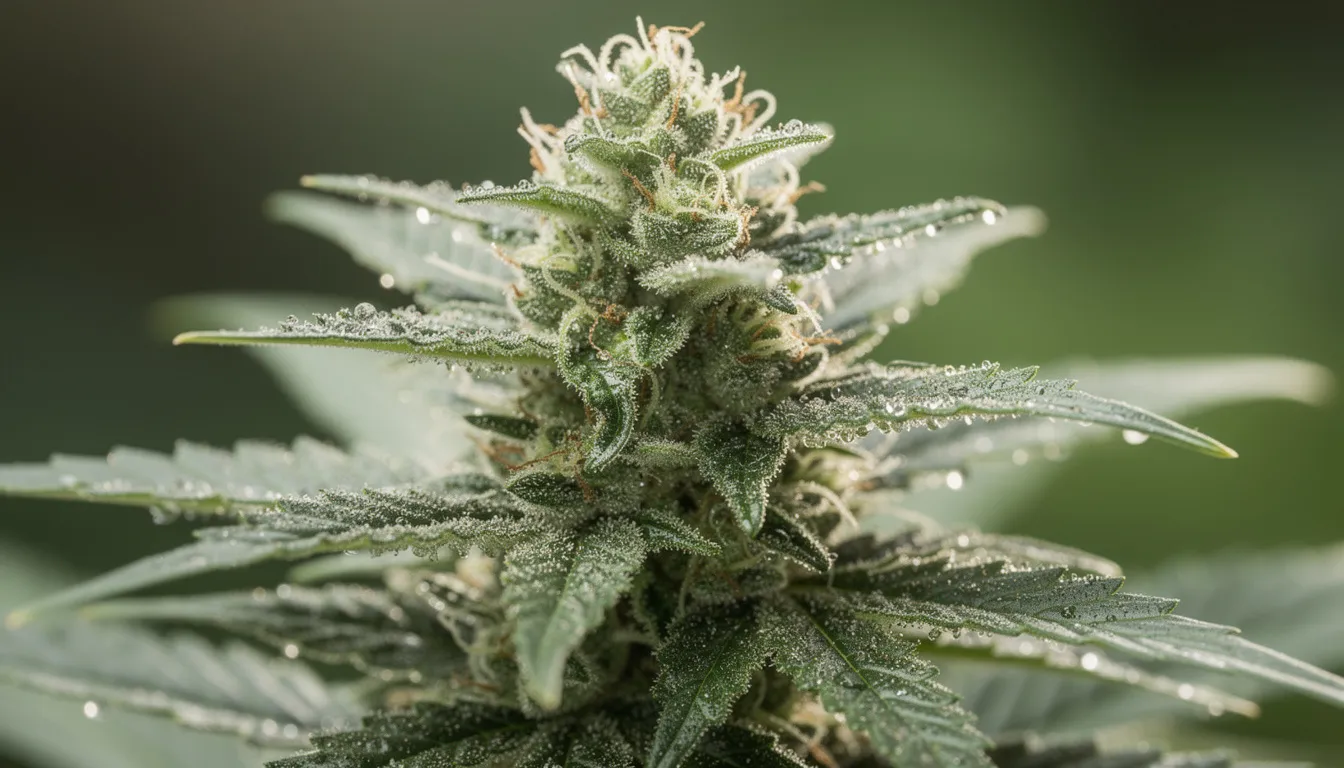
Approximately 20–30% of the dry weight of a THC-rich cannabis flower consists of THCA – a cannabinoid most people are unaware of, even though it is the main active ingredient in these flowers. THCA flowers are raw cannabis flowers that are naturally rich in tetrahydrocannabinolic acid (THCA). The psychoactive compound THC is only produced through heat extraction.
This guide tells you everything about tetrahydrocannabinolic acid: what THCA is chemically, how it differs from THC and that, unlike THC, THCA is not psychoactive, what effects it (does not) have, what the current legal situation in Germany is, and what you should pay attention to when buying products.
What is THCA? – A quick explanation for busy readers
THCA (tetrahydrocannabinolic acid) is the non-psychoactive precursor to THC in fresh cannabis flowers. In the raw plant, THCA is dominant and often makes up the majority of the total cannabinoid profile.
The most important points in brief: More information on THP420 You can find them here.
-
THCA itself does not produce a high – it cannot effectively bind to the CB1 receptors in the brain.
-
THCA is only converted into THC through heating (decarboxylation).
-
When smoking, vaping, or baking, THCA is converted into the psychoactive tetrahydrocannabinol.
-
Anyone who heats "THCA flowers" is ultimately consuming regular THC.
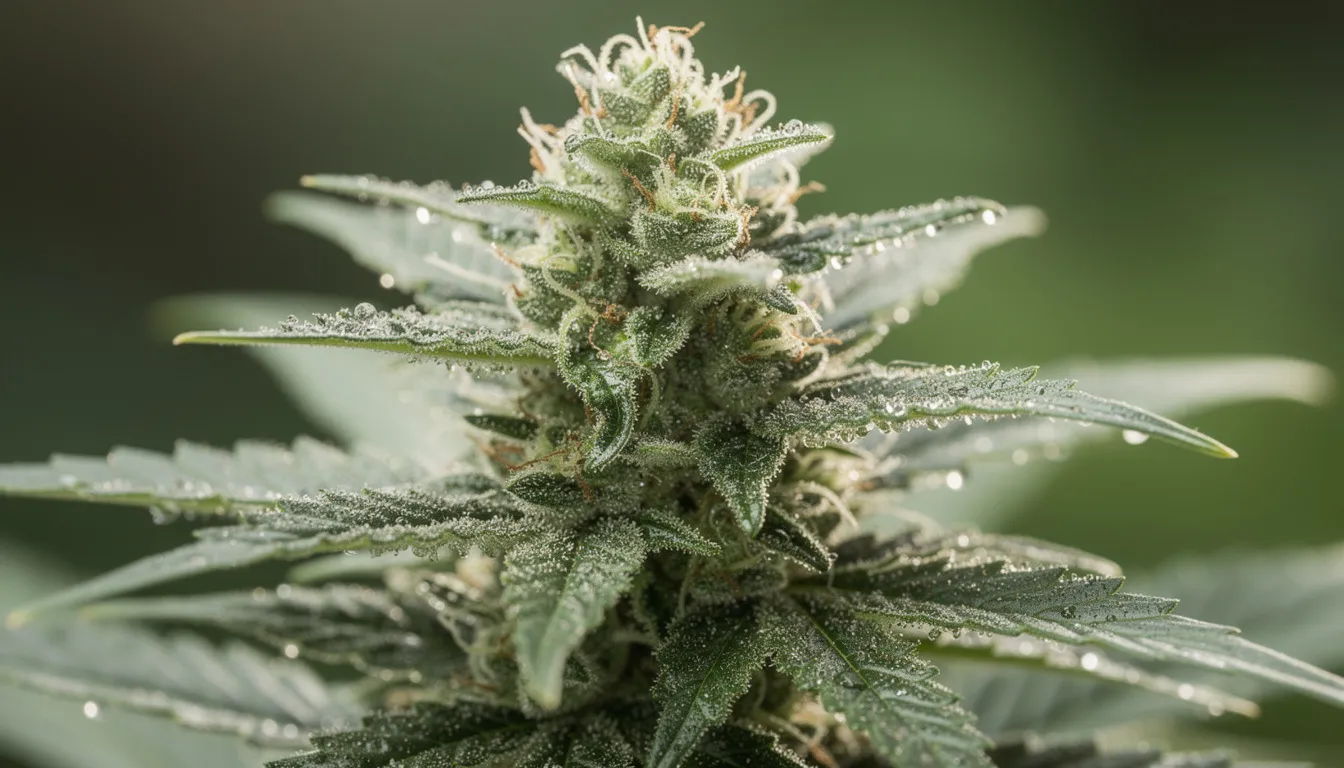
Chemical basics: How is THCA produced in the cannabis plant?
To understand the special properties of THCA, it is worth taking a look at its biosynthesis in the plant. THCA does not simply appear spontaneously, but follows a complex enzymatic process.
The path from CBGA to THCA:
-
Starting point CBGA: Cannabigerolic acid is considered the "mother cannabinoid" from which all other cannabinoid acids originate.
-
Enzymatic conversion: Specific synthase enzymes (THCA synthase) catalyze the formation of THCA from CBGA.
-
Parallel paths: CBGA also gives rise to CBDA (a precursor to CBD) and CBCA – depending on the plant's genetic makeup.
-
Acidic forms dominate: In fresh flowers, virtually all cannabinoids exist as cannabinoid acids.
The crucial carboxyl group:
THCA has an additional carboxylic acid group (-COOH) on its molecule. This carboxyl group is the reason why THCA is not psychoactive.
|
Characteristic |
THCA |
THC |
|---|---|---|
|
Chemical formula |
C₂₂H₃₀O₄ |
C₂₁H₃₀O₂ |
|
Carboxyl group |
Available |
Unavailable |
|
Molecule size |
Larger |
Small |
|
CB1 bond |
Sterically hindered |
Fits perfectly |
THCA's more voluminous structure prevents it from fitting into the binding site of the cannabinoid receptors – similar to a key that is too big for a lock.
THCA vs. THC: Differences in chemistry, effects and practice
The difference between THCA and THC is fundamental, even though only a small chemical group separates them. In practice, this difference has far-reaching consequences.
Chemical difference: THCA contains a carboxylic acid group that is cleaved off as CO₂ during decarboxylation. This process typically occurs at temperatures between 100–120 °C.
Pharmacological difference:
-
THCA hardly binds to CB1 receptors → no high, no altered perception
-
THC binds strongly to CB1 receptors (Ki affinity approximately 40 nM) → euphoria, relaxation, but also risks such as anxiety or paranoia.
Practical example: A flower containing 20% THCA and 0.2% THC yields approximately 17–18% THC after heating. The loss is due to the cleavage of the carboxyl group and unavoidable conversion losses.
Important: Many “experience reports with THCA flowers” actually describe the effect of THC – because these flowers were heated before consumption.
THCA vs. THC comparison at a glance
You can find more information in our Comprehensive guide to 10-OH-HHC . The following comparison highlights the key differences at a glance:
|
feature |
THCA |
THC |
|---|---|---|
|
Psychoactivity |
None (in raw form) |
Strongly psychoactive |
|
Happen |
Fresh, unheated blossoms |
After decarboxylation |
|
Typical use |
Raw juices, tinctures, topicals |
Smoking, vaping, edibles |
|
Legal classification |
Grey area (often declared as hemp) |
Regulated/illegal depending on the context |
|
stability |
Relatively stable when stored in a cool place |
Degrades to CBN faster |
|
Relevance of laboratory values |
Shows THC potential after heating |
Direct active ingredient content |
For growers and laboratories, the THCA content of a sample is the most important indicator: it shows how much THC will be available after conversion.
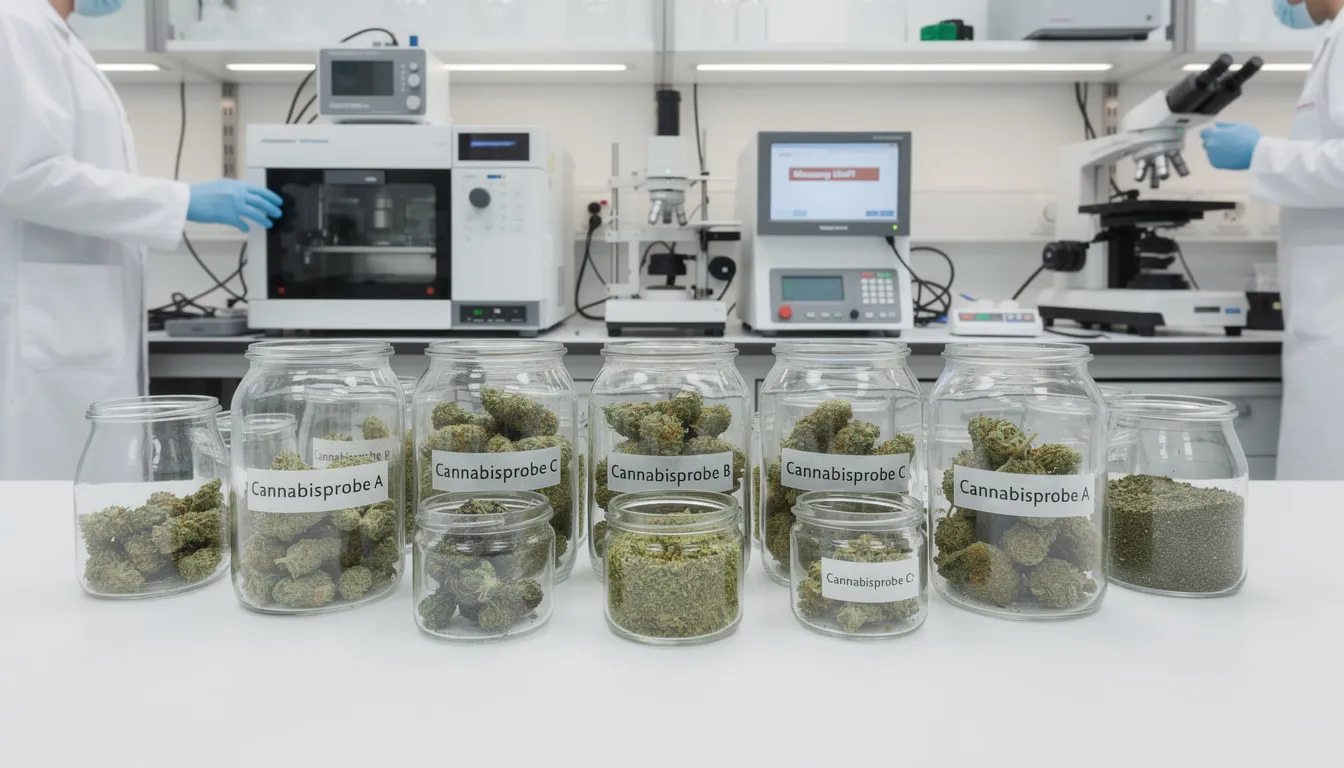
How is THCA converted into THC? – Decarboxylation explained in simple terms
Decarboxylation is the chemical process by which THCA is converted to THC. The word sounds complicated, but it describes a simple process: Heat causes the carboxyl group to break off and be released as CO₂.
Explained step-by-step:
-
Initial state: THCA molecule with carboxyl group (-COOH)
-
Energy supply: Heat breaks the bond of the carboxyl group
-
Secession: CO₂ and H₂O are released
-
Final product: THC molecule without carboxyl group
Only a portion of the available THCA is actually converted into THC, and it is precisely this portion that is crucial for the psychoactive effect.
Specific temperature and time details:
|
method |
temperature |
Time |
Conversion rate |
|---|---|---|---|
|
Oven (Edibles) |
105–115 °C |
30–45 minutes |
approximately 90–95% |
|
Vaporizer |
180–220 °C |
seconds |
approximately 80–90% |
|
Smoke |
400–900 °C |
seconds |
approximately 80–90% |
|
Natural storage |
room temperature |
Months–Years |
5–10% |
The decarboxylation of THCA to THC usually begins at around 110 degrees Celsius.
Practical examples:
-
When smoking: The embers of a joint reach temperatures over 400 °C – THCA is converted almost instantly to THC.
-
When baking: For edibles, flowers are "activated" beforehand in the oven at approximately 110 °C for 30–45 minutes.
-
During storage: Even without heating, slow conversion takes place, but it is significantly less efficient.
Potential benefits and medical aspects of THCA
Although THCA is not psychoactive, research shows interesting effects in preclinical studies. Importantly, large-scale clinical trials in humans are largely lacking until 2025, and claims of therapeutic benefits are not permitted.
THCA appears to act via different pathways than THC – such as PPARγ receptors or TRP channels. These mechanisms could explain why researchers observe anti-inflammatory and neuroprotective properties.
THCA and inflammation
Preclinical studies suggest that THCA has anti-inflammatory properties:
-
COX-2 inhibition: THCA appears to inhibit cyclooxygenase-2, similar to some anti-inflammatory drugs.
-
Modulation of cytokines: Reduced inflammatory markers were observed in cell culture studies.
-
Animal models: Rodent studies showed reduced inflammatory responses.
However, to date, there is no approved THCA medication for inflammation. All applications are considered experimental. Learn more about Effects of potent cannabinoids like HHCA compared to THC .
THCA as an anticonvulsant & for epilepsy
Early case reports and small studies (around 2014–2020) investigated THCA in treatment-resistant epilepsy:
-
Combinations of CBD and low doses of THCA have shown positive effects in individual cases.
-
Small amounts of THCA sometimes appeared to be more effective than high doses of THC.
-
The lack of psychoactivity is an advantage over THC-based approaches
Important NOTE: Patients should never replace antiepileptic drugs with cannabis products on their own. Medical supervision is always necessary for epilepsy.
Neuroprotective properties of THCA
Laboratory studies suggest that THCA could protect nerve cells:
-
Neuroprotective potential has been observed in models for Parkinson's, Huntington's and other neurodegenerative diseases, i.e. diseases such as Parkinson's or Huntington's disease.
-
THCA could protect neurons from degeneration and modulate inflammatory processes in the brain.
-
The upregulation of BDNF (brain-derived neurotrophic factor) may play a role.
This data comes from cell and animal models. Evidence-based data in humans is lacking, and THCA is currently considered more of a research tool.
THCA as an antiemetic (against nausea)
The antiemetic properties of THCA are particularly interesting:
-
Preclinical studies suggest that THCA may be more effective at relieving nausea and vomiting than THC.
-
Anecdotal reports (70–80% in cases of motion sickness) indicate positive effects among users.
-
The lack of psychoactivity would be an advantage for sensitive patient groups.
There is no standardized THCA therapy for nausea. All applications remain experimental.
How can THCA be consumed? – Forms & practical application
Those who want to use THCA and not THC intentionally must avoid heat. As soon as flowers or isolates are heated, the conversion to THC occurs. However, THCA flowers can also be vaporized, brewed, or processed into aroma blends.
Overview of consumption methods:
|
method |
THCA retention |
Psychoactivity |
Typical application |
|---|---|---|---|
|
Raw juices/smoothies |
High |
No |
Wellness, inflammation |
|
THCA tinctures (cold) |
High |
None–low |
Sublingual, microdosing |
|
Topicals (creams) |
High |
No |
Local complaints |
|
Vaporize |
Very low |
Strong |
Desired THC effect |
|
Smoke |
Very low |
Strong |
Desired THC effect |
Vaporizing THCA flowers is considered a gentler alternative to smoking, as controlled heating decarboxylates and thus activates THCA to THC.
Recommendation: For medical reasons, dosage and possible interactions should always be discussed with a doctor.
THCA isolate and concentrates
THCA isolate is a highly purified concentrate, often with over 95–99% THCA content in crystalline form.
Key points:
-
Production: Extraction, purification and crystallization from cannabis biomass
-
Raw consumption: Sublingual or in cold foods – hardly psychoactive
-
Dabbing/Vaping: Immediate, strong THC effect due to heat
-
Dosage: Suitable for microdosing, but requires precision
Highly concentrated products are only suitable for very experienced or medical users. Precise dosing is essential.
Topical application: THCA creams and balms
When applied externally, THCA acts predominantly locally:
-
THCA barely enters the bloodstream when applied via creams and ointments.
-
It is primarily used for local complaints affecting joints, muscles, or skin.
-
Mechanisms of action likely involve CB2 receptors and endocannabinoid modulation.
-
No noticeable noise when used correctly.
Typical scenarios include sports massages, joint problems or irritated skin – always without any promise of healing.
Edibles and raw consumption of THCA
Fresh cannabis leaves and flowers contain high amounts of THCA in their raw form:
-
Smoothies and juices: Fresh leaves and blossoms can be eaten raw.
-
Storage: Refrigeration and avoiding heat preserve the THCA content.
-
Classic edibles: Cookies and brownies are prepared after decarboxylation and primarily provide THC.
Caution: Start with small amounts – significant THC levels can occur if the product heats up unintentionally.
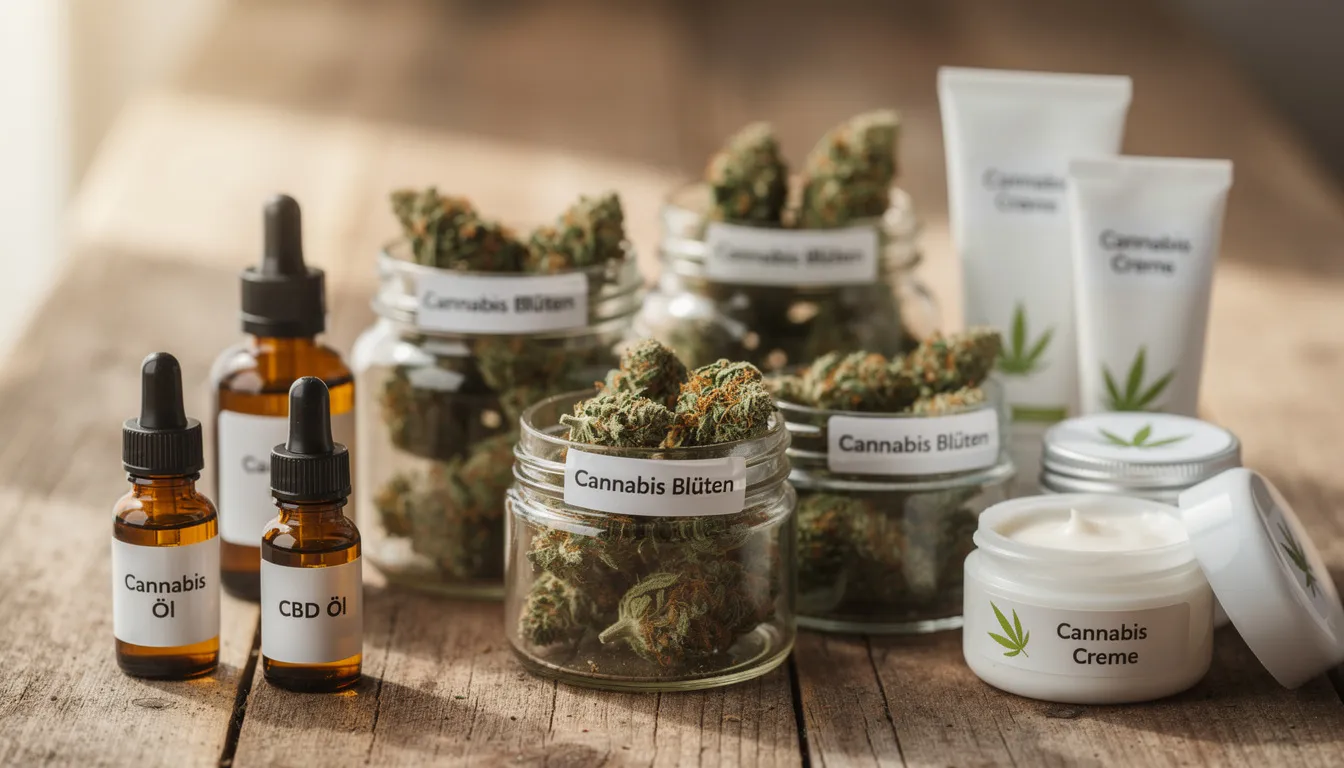
THCA and cosmetics – New trends and applications
THCA, the precursor to THC, is increasingly finding its way into the world of cosmetics. Its unique properties, such as its anti-inflammatory and antioxidant effects, make it a sought-after ingredient in modern skincare products. Unlike THC, THCA in its original form is not psychoactive, which makes it particularly attractive for topical application.
Researchers are intensively investigating the potential benefits of THCA in cosmetics. Initial studies suggest that THCA-containing creams and balms can help soothe skin irritations and support skin health. The effectiveness of these products is based, in part, on THCA's ability to influence inflammatory processes and pain via various receptors in the body—particularly CB2 receptors—as well as other non-cannabinoid receptors. Although THCA does not bind directly to CB2 receptors, it can still modulate the activity of these and other receptors, thus contributing to the relief of discomfort.
Another advantage: Decarboxylating THCA to THC allows for targeted control of its effects on the skin, for example, through the application of heat. This makes it possible to optimally utilize THCA's unique properties without producing a psychoactive effect. THCA products such as creams, balms, or serums are applied directly to the skin, where they exert their effects without entering the bloodstream.
The cosmetics industry is discovering THCA as an innovative active ingredient that expands the range of natural skincare products. Those looking for new solutions for sensitive or irritated skin will find an exciting alternative with great potential in THCA-containing products.
THCA flowers: Effects, potency and practical use
THCA flowers are cannabis flowers with a high THCA content that, before heating, have a THC level below the legal limit and are therefore marketed as a type of "legal industrial hemp." In Germany, THCA flowers are legal as long as the Δ9-THC content in the raw flower state is below 0.3%.
Characteristics of THCA flowers:
-
Visually and aromatically almost indistinguishable from classic THC flowers.
-
Laboratory analyses show THCA and Δ9-THC content separately.
-
The legality exploits a loophole in the law (low THC content before heating).
-
After smoking/vaping, a "normal" cannabis high occurs.
Before heating, the flower is in a chemical state with a high THCA and low Δ9-THC content, which allows it to be classified as legal. Only through heating (decarboxylation) does the flower's state change, as THCA is converted into psychoactive THC, which is legally relevant.
Practical example: A flower containing 22% THCA and 0.2% THC (legal before heating) yields a THC content of approximately 19–20% after decarboxylation. The effect is then comparable to classic cannabis.
THCA flowers vs. classic THC flowers
|
feature |
THCA flowers |
THC flowers |
|---|---|---|
|
Appearance/Smell |
Identical |
Identical |
|
Aroma/terpene profile |
Comparable |
Comparable |
|
Legal status before heat |
Often declared as hemp |
Regulated/illegal |
|
After heating |
No difference |
No difference |
|
Laboratory certificate |
Shows low Δ9-THC |
Shows high THC |
Danger: Marketing terms like "legal high with THCA flowers" are misleading. After heating, the same legal risks apply as with regular cannabis.
Legal status of THCA (Germany & EU, as of 2025)
The legal situation surrounding THCA is complex and exists in a gray area. THCA is often co-regulated based on the Δ9-THC content of the product.
Situation in Germany (as of 2025): Discover our exclusive selection of THCA products .
-
Limit: 0.3% Δ9-THC in hemp products according to the Cannabis Act 2024/2025
-
Industrial hemp vs. cannabis: Distinction between legal industrial hemp and regulated cannabis
-
Growers' associations: New legal framework for cannabis clubs with their own regulations
-
Conversion potential: THCA can be legally problematic because of its easy conversion to THC.
Practical recommendations:
-
THCA products should always be treated like THC products.
-
Be aware of risks in road traffic, youth protection and drug tests
-
Keep an eye on regional differences and changes in legislation
A notice: This information does not constitute legal advice. The situation may vary regionally and is subject to change at any time.
THCA, drug tests and driver's license
Standard drug tests do not differentiate between THC and THCA:
-
Test methodology: Urine, blood and saliva tests detect THC metabolites (e.g. THC-COOH).
-
After heating: Consumption of heated THCA products leads to the same test results as classic cannabis.
-
Consequences: Driving licence measures, medical-psychological assessment (MPU) or employment law consequences are possible
Clear recommendation for action: If you are facing potential checks (driver's license, employer, probation), you should avoid all THCA products – regardless of whether they are declared "legal".
Risks, quality & safe selection of THCA products
Even though THCA itself is not intoxicating, the products pose risks:
Potential problems:
-
High potencies (25–35% THCA) lead to strong THC effects after heating.
-
Contamination: Pesticides in approximately 20% of the tested unregulated products.
-
Incorrectly declared values and solvent residues
-
CYP450 interactions with medications are possible.
Quality criteria when buying:
-
Current, independent laboratory certificates (COAs) are required.
-
Check THCA, THC, and CBD content and analyze for contaminants.
-
Choose reputable providers with transparent origins
-
Beware of aggressive marketing (“legal high despite THC effect”)
Important: Always seek medical advice for health problems. THCA is not a substitute for prescribed medication.
Natural cannabis from growers' associations vs. the online THCA trend
The question of the source deserves special attention:
|
aspect |
Growers' associations |
Online THCA shops |
|---|---|---|
|
Origin |
Transparent, local |
Often unclear |
|
Quality control |
Regularly, community-based |
Variable |
|
Legal framework |
More clearly defined (2024/2025) |
Grey areas |
|
Cannabinoid profile |
Often more balanced |
Often extremely highly bred |
|
Advice |
In person, on site |
Usually none |
Classic, non-hybridized cannabis from growers' associations often offers a more natural terpene profile and an alternative to online shops. Here, the focus is on community, education, and long-term relationships – not the quick click into the shopping cart.

Important considerations regarding THCA – What consumers should know
Before deciding to purchase or use THCA products, you should consider several key aspects. The legal status of THCA in Germany remains complex: Crucially, THCA can be converted into THC through decarboxylation – and therefore may fall under the Narcotics Act. The effect of a product depends significantly on whether and how this process occurs.
Another important issue is product quality. When buying, make sure the shop provides transparent information about origin, ingredients, and manufacturing processes. Independent laboratory analyses are essential to ensure the THCA content is correct and that no harmful residues are present.
Proper application and dosage are also crucial. Familiarize yourself with the recommended amount and method of application to ensure safe and effective results. Especially when using it with other medications, be aware of potential interactions and consult a doctor if in doubt.
Last but not least, decarboxylation—the conversion of THCA to THC through heat—significantly influences the product's effects. Consider whether you want to use the non-psychoactive precursor to THC or whether you intentionally want to achieve the THC effect through heating. Only then can you optimally tailor the application to your needs.
THCA FAQ – Frequently Asked Questions answered briefly
Does THCA make you high? No, THCA in its raw form is not psychoactive. It cannot effectively bind to CB1 receptors in the brain. Only after heating (conversion to THC produces a high.
How does THCA differ from CBD? Neither is intoxicating in its raw form, but they are chemically different. THCA is the precursor to THC and is converted into a psychoactive cannabinoid. CBD remains non-psychoactive even after decarboxylation and has a different effect profile.
Is THCA legal in Germany? Legality is a gray area. Products containing less than 0.3% Δ9-THC are considered hemp – but the conversion potential to THC can cause legal problems. Treat THCA like THC.
Can I pass a drug test with THCA products? No, not if you consume the products after heating them. Standard tests detect THC metabolites. Even supposedly legal THCA flowers can produce positive test results.
What are THCA flowers? Cannabis flowers with a high THCA content and low Δ9-THC before heating. They exploit a legal loophole, but produce the same effect as regular cannabis when smoked.
What are the advantages of THCA? Preclinical studies suggest anti-inflammatory, neuroprotective, and antiemetic effects. However, clinical data in humans are scarce. No cure claims can be made.
How do I store THCA products correctly? Cool, dark, and airtight. Heat, light, and oxygen accelerate the conversion to THC. Refrigeration best preserves the THCA content.
A notice: This article does not provide medical or legal advice. The research reflects the state of knowledge as of approximately 2024/2025. Laws may change and vary regionally. For health-related questions, please consult a healthcare professional.
Key findings
-
THCA is the non-psychoactive cannabinoid acid in fresh flowers – intoxicating THC is only produced through heating.
-
The additional carboxyl group in the THCA molecule prevents binding to CB1 receptors and thus the intoxication.
-
Decarboxylation at 105–120 °C for 30–60 minutes effectively converts THCA to THC.
-
THCA flowers exploit legal gray areas, but after heating produce the same effects as classic cannabis.
-
In drug tests and road traffic, all THCA products should be treated like THC products.
-
Quality and laboratory analyses are crucial – look for independent certificates.
The future of THCA – research, market and societal perspectives
The future of THCA promises exciting developments – both in research and in the cannabis product market. Scientists are discovering more and more properties of THCA that go beyond its classic use as a precursor to THC. New studies are investigating THCA's potential for health, for example in the areas of anti-inflammatory properties, neuroprotection, or as an ingredient in innovative cosmetic products.
The market is also responding to these findings: More and more manufacturers are launching products containing THCA that specifically target the benefits of this cannabinoid. New applications are emerging, particularly in the areas of skincare and alternative medicine, expanding the range of cannabis products available.
At the same time, societal perceptions of THCA and cannabis in general remain marked by uncertainty and prejudice. An open, fact-based discussion about the benefits and risks of THCA is therefore more important than ever. Only in this way can responsible and safe use be ensured.
Further research into THCA and its properties will be crucial to better understand its actual benefits and potential risks. With increasing acceptance and new scientific insights, THCA could play an even greater role in the cannabis community, medicine, and cosmetics in the future.
Conclusion
THCA, as a precursor to THC, offers fascinating insights into the chemistry of the cannabis plant. The cannabinoid acid itself is non-intoxicating and shows interesting properties in preclinical studies – from anti-inflammatory to neuroprotective effects.
In practice, however, the distinction between THCA and THC is less relevant than marketing suggests: anyone who smokes, vapes, or bakes with cannabis flowers is ultimately consuming THC. The legal gray areas surrounding THCA products require caution and sound information.
If you want to use cannabis, you should choose transparent sources. Cultivation associations offer an alternative to opaque online offers – with a clearer legal framework, personal advice, and a community focus instead of anonymous clicks.
For medical questions concerning cannabis, you should always consult a specialist. And for all the tips in this guide: Always check the current legal situation in your region – it can change at any time.
Share:
THCA Germany: Effects, Legality & Products 2025
THCB: Effects, production, legal issues & comparison with THC explained