
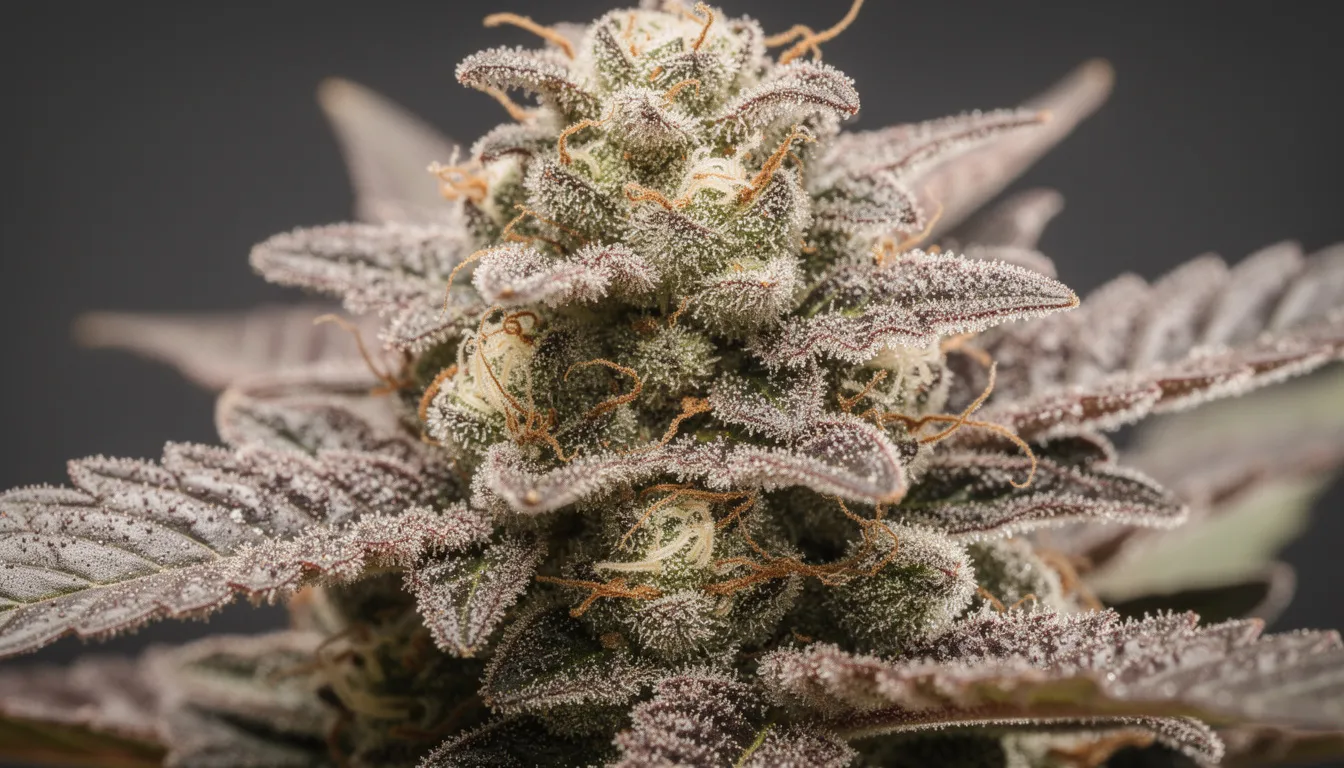
Brief summary: What is TAC cannabinoid?
TAC stands for Total Active Cannabinoids and describes the total content of all active cannabinoids in a cannabis product. Contrary to what many consumers assume, TAC is not a single cannabinoid like THC or CBD, but rather a metric that summarizes the entire active ingredient profile of a cannabis sample. In 2024, this information was primarily found on product labels in legal markets such as Canada, certain US states, and for medical cannabis in Germany. This metric is becoming increasingly important, especially for modern TAC vapes and special blended formulations, as it provides users with a quick overview of all the active ingredients.
What exactly does TAC (Total Active Cannabinoids) mean?
The term TAC (Total Active Cannabinoids) refers to the percentage of all decarboxylated, and therefore active, cannabinoids in a product. This information can be found on flowers, extracts, vapes, and oils, and indicates how much of the active substance is actually present.
A concrete example makes this clearer: A cannabis strain with 26% TAC contains a total of 260 mg of active cannabinoids per gram. This value is composed of various compounds that were measured in the laboratory.
The TAC value typically includes cannabinoids such as THC, CBD, CBG, CBC, and CBN. Also rarer molecular structures Compounds are detected if they are detectable in the laboratory. The amount of compounds detected depends on the sensitivity of the analytical method used.
An important technical aspect: Laboratories usually quantify the acidic precursors such as THCA and CBDA, as these are dominant in the fresh plant. The amount of active THC or CBD that would be produced after decarboxylation is then calculated. The TAC value on the label already takes this calculation into account and thus reflects the potential effect when consumed.
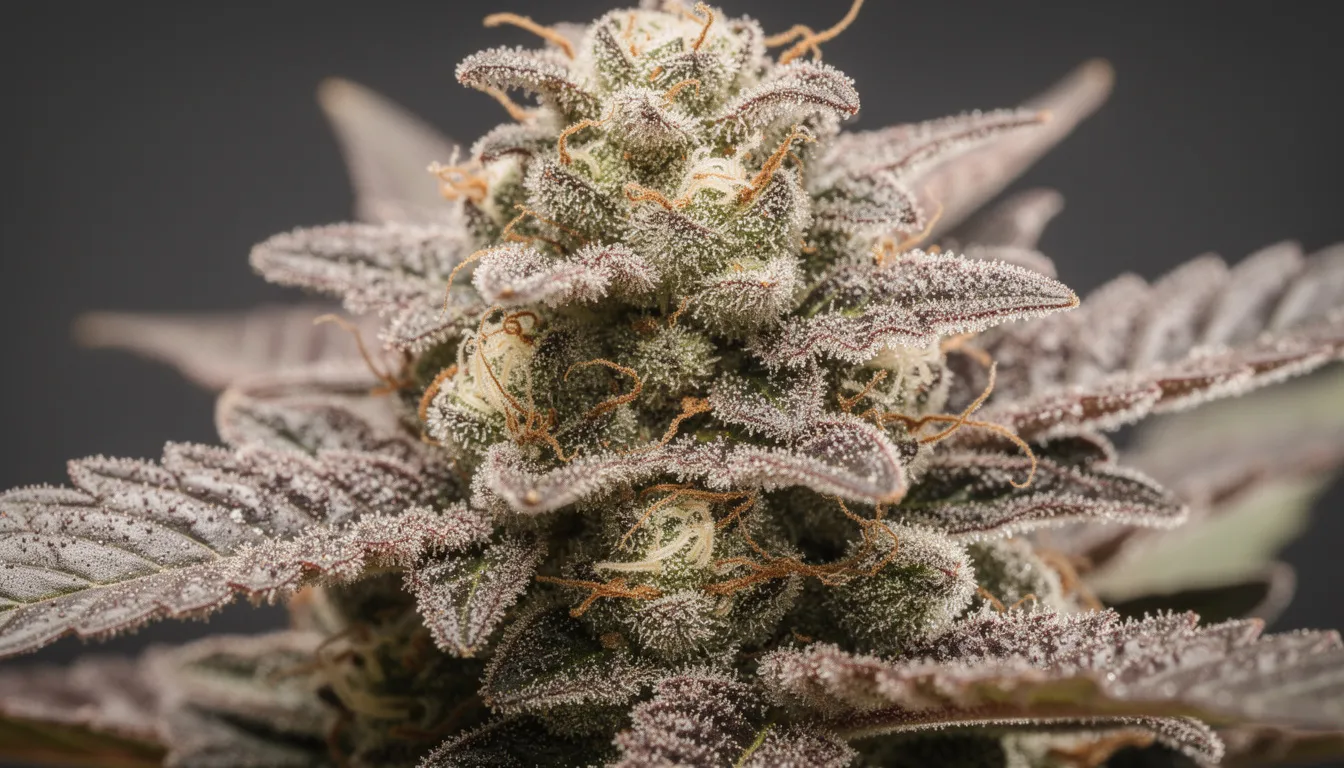
TAC vs. THC: Differences between the indicator and individual cannabinoids
The confusion between TAC and THC is one of the most common misunderstandings in online shops and coffee shops. These are fundamentally different concepts, and understanding the difference is crucial for making an informed product selection.
THC is a single psychoactive cannabinoid responsible for the typical high. TAC, on the other hand, is the sum of all active cannabinoids in a sample. This difference has practical consequences for the experience of consumption.
Let's look at a concrete example: A flower with 30% TAC could be composed as follows: 22% THC, 2% CBD, 1% CBG, and other cannabinoids making up the rest. Per gram, this means 220 mg THC, 20 mg CBD, and 10 mg CBG.
|
parameter |
Meaning |
Example |
|---|---|---|
|
TAC |
Total content of all active cannabinoids |
30% (300 mg/g) |
|
THC |
Single psychoactive cannabinoid |
22% (220 mg/g) |
|
CBD |
Single non-intoxicating cannabinoid |
2% (20 mg/g) |
|
CBG |
A single cannabinoid with its own properties |
1% (10 mg/g) |
THC almost always makes up the largest proportion of TAC, but the other cannabinoids significantly influence the potency and subjective experience. A product with an identical THC content can have completely different effects depending on the accompanying cannabinoids.
Which cannabinoids are typically found in the TAC value?
To date, over 110 phytocannabinoids have been described in the hemp plant. However, only a few of these regularly appear in laboratory reports, as many are present in quantities too small to be reliably measured.
Depending on the laboratory, the TAC value usually only lists the most relevant cannabinoids with their percentages. Dozens of other compounds are present only in trace amounts and are not listed individually. For medical cannabis products, which have been available in Germany through pharmacies since 2017, a more detailed cannabinoid breakdown is becoming increasingly common.
THC (Δ9-tetrahydrocannabinol)
THC was isolated in the 1960s by the Israeli scientist Raphael Mechoulam and identified as the main active ingredient of cannabis. This discovery laid the foundation for the modern understanding of cannabinoid effects.
The cannabinoid primarily acts via CB1 receptors in the brain, mimicking the body's own endocannabinoid anandamide. This binding triggers the typical high, which is accompanied by euphoria, altered perception, and increased appetite.
In most modern varieties of the 2020s, THC THC accounts for 15–30% of the TAC value. However, THC alone does not determine the strength, tolerability, or medical benefit of a product.
CBD (Cannabidiol)
CBD is a non-intoxicating cannabinoid that has received significant attention in the EU since around 2018/2019. CBD oils, cosmetics, and flowers have entered the mainstream and are now freely available for purchase in many countries.
Unlike THC, CBD barely binds to CB1 receptors. Instead, it influences enzymes like FAAH, which is responsible for breaking down anandamide. Through this inhibition, CBD increases the concentration of this naturally occurring "feel-good" molecule in the body.
In the TAC profile, CBD can have a dampening effect on some THC effects. Rapid heartbeat or paranoia, which can occur in sensitive users, are often alleviated by CBD. Strains with around 5–10% CBD and moderate THC are often described as more balanced than pure high-THC varieties.
CBG, CBN and CBC
CBG is considered the "mother cannabinoid" because it is produced in the plant as CBGA and subsequently converted into THC, CBD, and other compounds. Depending on the harvest time and genetics, the CBG content can vary significantly.
CBN is a typical breakdown product of THC, which increases in older or oxidized flowers. This cannabinoid is often associated with sedative, sleep-inducing effects and is more frequently found in products intended for evening use.
CBC is a less researched cannabinoid that binds primarily to CB2 receptors. Scientists suspect it has immunomodulatory properties, although research in this area is still in its early stages.
These minor cannabinoids usually only make up a few percentage points of the TAC, but can significantly influence the overall profile and contribute to the overall effect.
Acidic precursors: THCA, CBDA & Co.
Fresh cannabis flowers contain their cannabinoids predominantly in acidic form. THCA, CBDA, and CBGA are the chemical precursors of the known active cannabinoids.
Only through heat – during smoking, vaping, or baking – are these acids decarboxylated and converted into their active forms. This process is the reason why raw cannabis has hardly any psychoactive effect.
Laboratories often measure both the acidic and neutral forms and then calculate the theoretical content of active substance. Cannabinoid . The formula takes into account the mass loss due to decarboxylation (approximately 87.7% of the THCA weight is converted to THC).
The TAC value on the label already takes this conversion into account, making it a practical indicator of the actual potency when consumed.
TAC and the entourage effect: Why the overall profile counts
The entourage effect describes the synergistic interaction of Cannabinoids , terpenes, flavonoids, and other components of the hemp plant. This theory states that cannabis compounds together produce a different and often stronger effect than isolated individual substances.
Concrete examples illustrate this mechanism:
-
CBD can alleviate THC-induced anxiety.
-
The terpene myrcene enhances relaxing effects
-
Limonene can modulate activating and mood-enhancing effects.
-
CBG can influence the binding of THC to CB1 receptors.
While TAC only sums the cannabinoids, it indirectly provides clues about a strain's potential entourage profile. A high TAC with a diverse cannabinoid profile suggests more complex effects than a high TAC consisting almost entirely of THC.
Modern TAC cannabinoid products, such as specialized vapes or oils, often deliberately combine several cannabinoids. The goal is a well-rounded, more controllable effect profile that unites the benefits of different compounds and balances out the undesirable effects of individual cannabinoids.
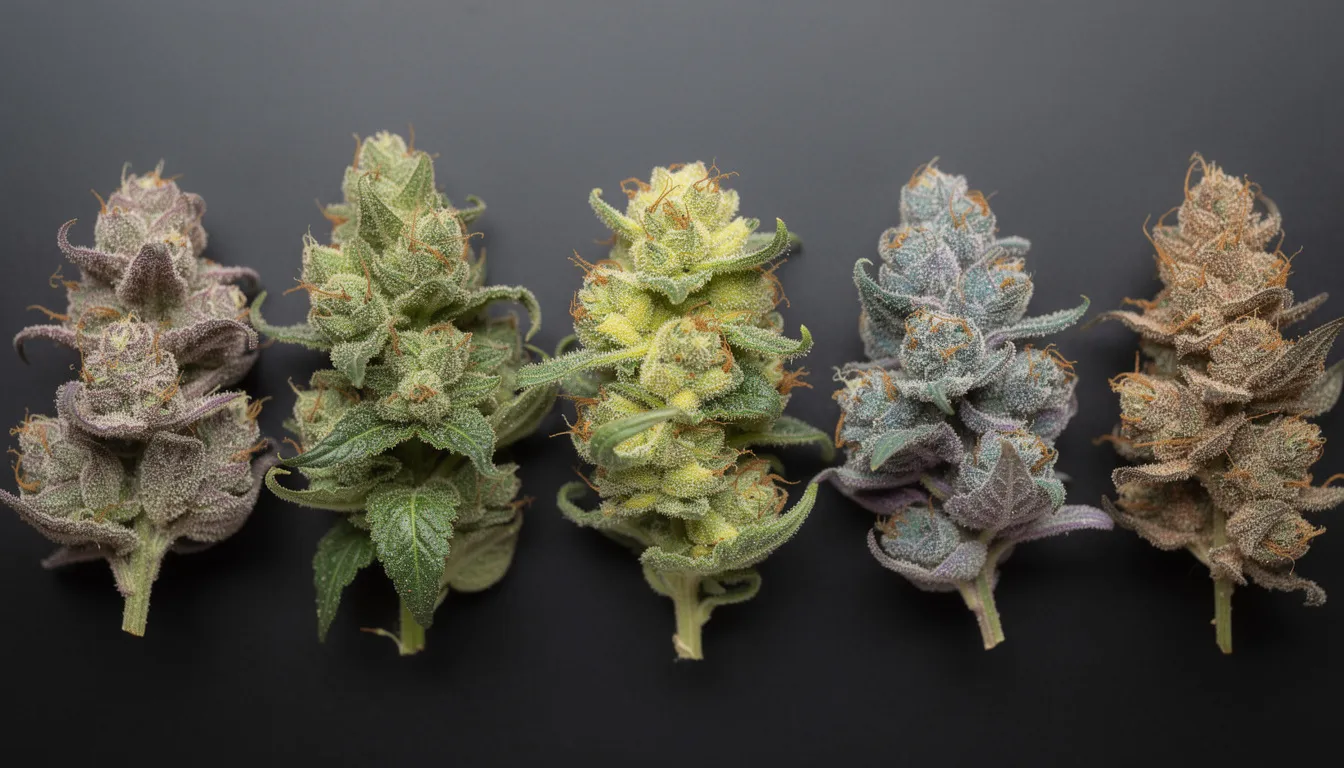
How are TAC and cannabinoid profiles measured in the laboratory?
In legal markets, every batch of flowers, concentrates, and vapes undergoes laboratory testing before being sold. This analysis includes testing for potency (cannabinoid content) as well as for contaminants such as heavy metals, pesticides, and mold.
The most common analysis methods are:
|
method |
Application |
|---|---|
|
HPLC (High-Performance Liquid Chromatography) |
Cannabinoid quantification |
|
GC (Gas Chromatography) |
Terpene profile analysis |
|
ICP-MS |
Heavy metal detection |
|
PCR tests |
Microbiological contamination |
The laboratory procedure follows a standardized protocol: A small, representative sample is taken and dissolved. Chromatography then separates the individual cannabinoids, which are subsequently quantified. The results are presented as a percentage or in mg/g.
The TAC value is calculated from the sum of these individual values and then appears as a number on the label. A typical TAC for flowers is between 15 and 35%.
Important note: The abbreviation TAC can also stand for "Total Aerobic Count" – the total number of microbes. However, this microbial value has nothing to do with cannabinoids and can be found in a different section of the lab report.
TAC and subjective effect: Does a high TAC value produce a stronger high?
A common misconception is that TAC is a direct indicator of a product's strength or high potency. The reality is more complex.
The effect depends primarily on the distribution of the individual cannabinoids and the terpene profile – not just the total amount. Two products with identical TAC can deliver completely different experiences.
Let's consider two varieties, each with 25% TAC:
-
Strain A : 22% THC + 1% CBD + 2% other cannabinoids
-
Strain B : 14% THC + 8% CBD + 3% other cannabinoids
Despite identical TAC values, strain A is significantly more psychoactive, while strain B offers a more balanced, less intense experience. TAC alone says little about the quality of the experience.
Consumers should base their choices more on the detailed cannabinoid profile and user reviews than on the highest TAC value. Personal factors such as body weight, metabolism, existing tolerance, and general sensitivity also play a crucial role.
Does TAC make a number "high".
No, TAC itself is not a substance, but an analytical measure. Only certain psychoactive cannabinoids like THC and some rare analogs like THCV produce a high.
While a high TAC value often correlates with a high THC content, this is not always the case. CBD-dominant flowers can have a high TAC content while producing little to no psychoactive effects. Marijuana products with 25% TAC but only 5% THC and 18% CBD will hardly produce any psychoactive effects.
For a realistic assessment of the intensity of the high, consumers should primarily consider the THC content in mg per dose, not the TAC.
Where can I find TAC information on cannabis and cannabinoid products?
In regulated markets, TAC (Total Active Ingredient) labeling is now standard practice. With legalization in 2018, Canada introduced standardized potency labeling that includes not only THC and CBD but also the Total Cannabinoids (TAC) level. US states such as California, Colorado, and Nevada follow similar protocols.
The situation is more inconsistent in Europe. In Germany, TAC (Tobacco Products Act) information has become increasingly common for medical cannabis since the 2017 legal amendment. CBD shops and social clubs still handle the labeling differently, although reputable providers offer complete laboratory reports.
TAC is typically found on:
-
Flower bags and tins
-
Vape cartridges
-
Dabs and concentrates
-
Oils and tinctures
A typical label in 2024 contains: strain name, batch/lot number, harvest date, TAC in %, THC in %, CBD in %, optionally the terpene profile and a QR code for the full laboratory certificate.
When buying online or in a shop, consumers should specifically ask for certificates of analysis (“COA”, “laboratory report”). Reputable suppliers provide these transparently.
TAC cannabinoids in modern products: vapes, oils and blended formulations
The term TAC cannabinoid is frequently used in marketing for products that deliberately combine several active cannabinoids. Instead of highlighting only THC or CBD, these formulations focus on a balanced spectrum.
In Europe, legal alternatives are gaining popularity, where full-spectrum extracts are supplemented with additional cannabinoids. The goal is a well-rounded profile that combines the benefits of different compounds. HHC, CBD, and CBG are frequently combined.
Vapes and sublingual oils are particularly well suited for such formulations:
-
Precise dosage : Each puff or drop delivers a defined amount.
-
Fast-acting : Onset within just a few minutes
-
Controllability : Easy to re-dose as needed.
The TAC value helps to estimate the overall potency of these products. However, the precise distribution in the lab report remains crucial. A TAC vape with 80% TAC, consisting primarily of CBD, has a fundamentally different effect than one with 80% THC.
Application examples for TAC-rich products:
-
For relaxation in the evening: Products with an increased CBD/CBN content
-
Daytime use at low doses for focus: Balanced THC:CBD ratios
-
For sleep problems: CBN-enriched formulations
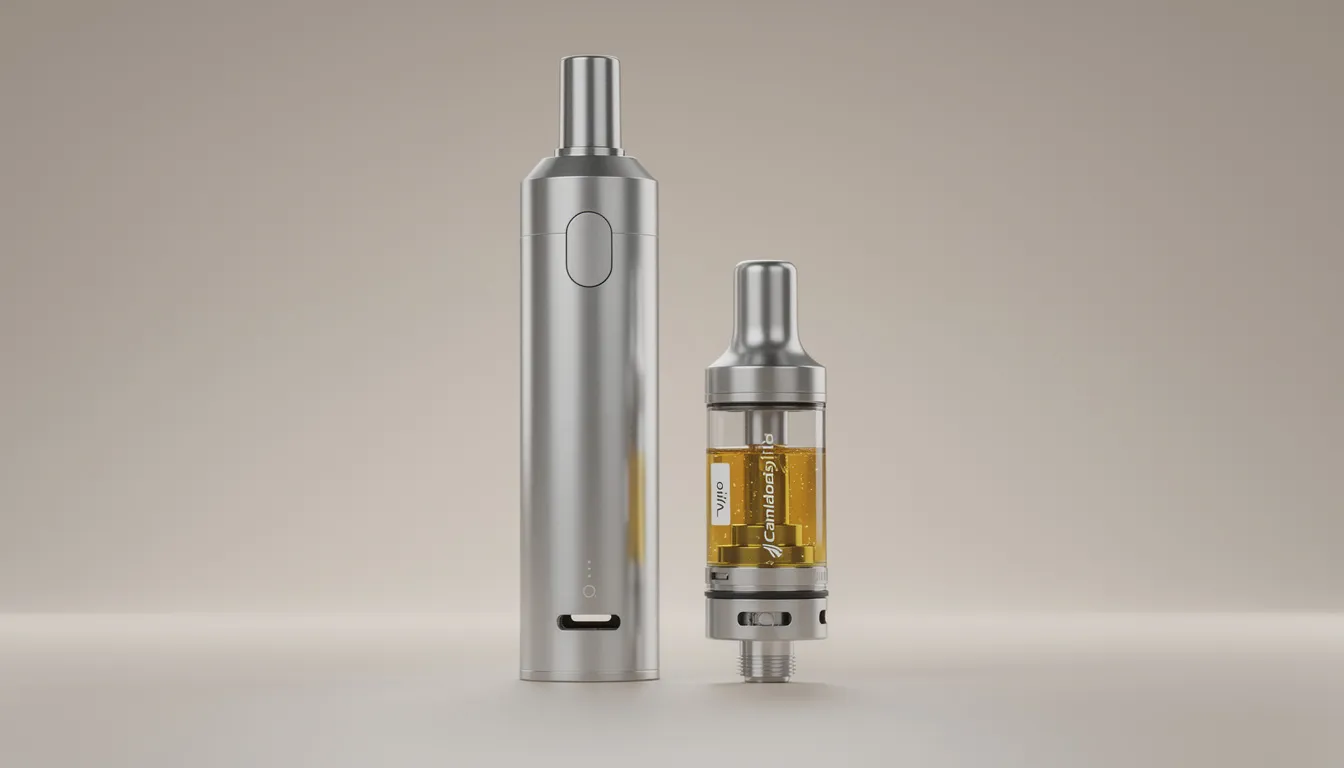
Practical dosage tips for handling TAC-rich products
The basic rule for new TAC products is: start with a very low dose. One to two puffs on a vaporizer or 2–3 mg THC equivalent for oils is a safe starting point.
Wait at least 30–60 minutes after the first dose before taking another. The full effect may be significantly delayed, especially with edibles or oils.
Important factors influencing individual reaction:
-
Body weight and metabolism
-
Existing tolerance through regular consumption
-
Food intake before consumption
-
Medications taken at the same time
-
General health condition
Legal notice : Driving or operating machinery after consuming THC-containing products is prohibited. Strict legal limits apply to THC levels while driving in Germany.
Not recommended for : Minors, pregnant women, breastfeeding women, and people with cardiovascular problems or serious mental illnesses.
Legal aspects: How does TAC affect legality?
It is not the TAC value, but the content of controlled substances that determines the legality of a product. In most jurisdictions, Δ9-THC is the decisive substance.
The situation in Germany and the EU in 2024:
|
Area |
control |
|---|---|
|
Industrial hemp |
THC limit 0.3% (EU-wide) |
|
CBD products |
Novel Food Regulation, no health claims |
|
Medical cannabis |
Available by prescription from pharmacies, controlled substance subject to regulations |
|
Recreational cannabis |
Legal reform 2024 in Germany (home cultivation, clubs) |
High-potency TAC products with a relevant THC content are subject to regulations in many countries. Narcotics law . They are only available by doctor's prescription or from state-regulated sales outlets.
Synthetic or semi-synthetic cannabinoids are often regulated individually. Their legal classification can change rapidly, as the history of HHC and other THC derivatives demonstrates.
Disclaimer : This article is for general information purposes only and does not constitute legal advice. Consumers should check current national laws and official notices.
Possible risks and side effects of TAC-rich cannabinoid products
High TAC and THC levels can increase the risk of side effects. These can occur particularly in inexperienced users or sensitive individuals:
-
Heart palpitations and increased pulse
-
Dizziness and lightheadedness
-
Anxiety or paranoia
-
Disorientation and memory problems
-
Nausea, especially with excessive consumption
Adolescents and young adults under approximately 25 years of age are particularly vulnerable to potential long-term consequences. The developing brain can be negatively affected by regular THC use. Motivation, cognitive abilities, and the risk of psychosis are documented areas of risk.
TAC alone says little about the side effect profile. A strain with moderate TAC but a favorable THC:CBD ratio may be subjectively more tolerable than an extremely high-THC product.
Recommendations for minimizing risk:
-
Pay attention to a clear declaration of all ingredients.
-
Minimize risks from contaminants (pesticides, solvents, heavy metals)
-
When buying vapes, make sure they are of certified quality (no vitamin E acetate).
If persistent or severe side effects such as panic attacks, chest pain, or persistent disorientation occur, medical help should be sought and consumption should be stopped.
Conclusion: How does the TAC value help you when dealing with cannabinoids?
TAC is a useful metric that summarizes the total content of active cannabinoids in a product. However, this value alone is not a reliable indicator of potency or quality. The world of Cannabinoids is more complex than a single number suggests.
For a well-founded assessment, the entire cannabinoid profile should always be considered. THC, CBD, and CBG content, the terpene profile, and personal goals – whether recreational or medicinal – all play a role.
It's worth taking the time to carefully read labels and lab reports. By cautiously trying different profiles, you'll eventually find your personal sweet spot. This could be a THC-dominant strain, a balanced alternative with CBD, or a special product with a higher CBG content.
Responsible consumption, adherence to local laws, and a focus on verified quality are ultimately more important than chasing the highest TAC rating. A product that suits your individual needs will always beat one that only impresses on paper.
Share:
THP420: Your comprehensive guide to effects, products and legal aspects in Germany
HHZ – Effects, products, purchase & legal situation in Germany